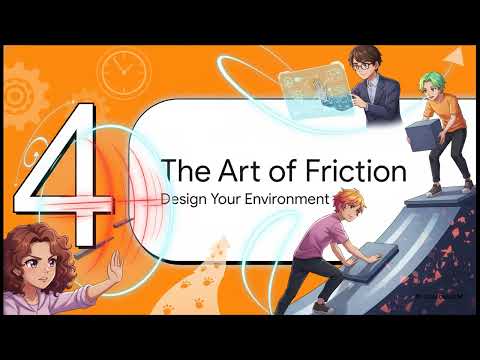
The Power of Habit: cue, routine, reward
Every habit runs on a loop. Keep the cue and the reward, change the routine.

The big ideas
What the book says, and what it means for how you move, rest and live.
Cue (3pm slump), routine (sugary snack), reward (quick energy). It runs all day.
The basal ganglia turns repeated actions into automatic routines to save energy.
Keep the cue and reward, change the routine: after a stressful day, a 20-minute run instead of beer and chips.
Small changes that set off a cascade of good ones, like the first domino.
Making your bed or a short morning workout can ripple into better eating and sleep.
Try it for the next 3 days
Pick one keystone habit: make your bed, or a 10-minute morning walk. Do it first thing for the next 3 days and notice what else changes.
Read the full summary
The hidden science that runs your life
Our habits run a huge part of our lives. Understanding the things you do every day without thinking can help you build your strongest, healthiest, fittest self. The plan: decode the formula behind every habit, look at the brain hardware that builds them, then learn how to hack the system, find domino-effect habits and design your blueprint.
The software: the habit loop
You have the best intentions to get to the gym or meal prep for the week, yet the old habit just happens. That's not because you lack willpower. It's because a neurological superpower has been hijacked. It comes down to a three-step loop:
- Cue: the trigger. It's 3pm and you feel an energy slump at your desk.
- Routine: you grab a sugary snack.
- Reward: a quick, satisfying energy boost.
This loop runs all day, from putting on your running shoes when you see them by the door to scrolling your phone when you're bored. The trick isn't to fight the loop. It's to understand it.
The hardware: your basal ganglia
The basal ganglia is an ancient part of the brain and the MVP of habit formation. It isn't involved in complex decisions; its job is to recognise patterns and put them on autopilot. Your brain is always looking to save energy, so when you repeat something often, the basal ganglia steps in and turns it into an automatic routine, freeing your conscious mind for other things.
It works like a gatekeeper, keeping a brake on many possible actions. When your brain spots a familiar cue (the ding of your phone, the sight of your yoga mat, the clock hitting 5pm), the brake on that one well-rehearsed action is released. This is called disinhibition, and it lets the habit unfold smoothly without thought. It's why you can drive home and not remember the journey.
The golden rule: replace, don't erase
To steer this system towards your healthiest self, work with it. Don't try to erase a bad habit; replace it. Keep the old cue, deliver the same reward, and insert a new, better routine. The cue: a stressful workday is over. The reward: feeling relaxed. Instead of a beer and chips, go for a 20-minute run. You still get the reward, the endorphin rush and mental clarity, from a routine that builds you up.
Keystone habits: the first domino
Not all habits are equal. Keystone habits are small changes that create a cascade of positive effects across your life. Push the first domino and others fall, without fighting a dozen battles at once.
How predictable are our habits? In one famous story, the retailer Target built a pregnancy prediction score after its analysts noticed that women in their second trimester began buying things like unscented lotion and certain supplements. Shopping habits revealed a major life change before some customers had told their own families. A little creepy, but a striking example of how our habits tell a story.
Find your keystone habit
The most powerful keystone habits are often simple. Making your bed starts the day with a completed task, and that small sense of accomplishment can ripple through the rest of your day. A short morning workout doesn't just burn calories; it often makes you want to eat healthier and helps you sleep better that night.
You don't need to overhaul your life overnight. You need one lever. What is the one small change that could start all the right dominoes falling for you?
Put it into practice
Habits stick when you do them with others. Start one today.
Fittest Start
Join the ExperienceA summary and interpretation by Fittest Club, not affiliated with the author or publisher. General wellness information only, not medical advice.
More from Habilearn
One book, one video, one habit.